Oud Is the New Flex: How Arabian Fragrance Conquered America's Luxury Beauty Scene

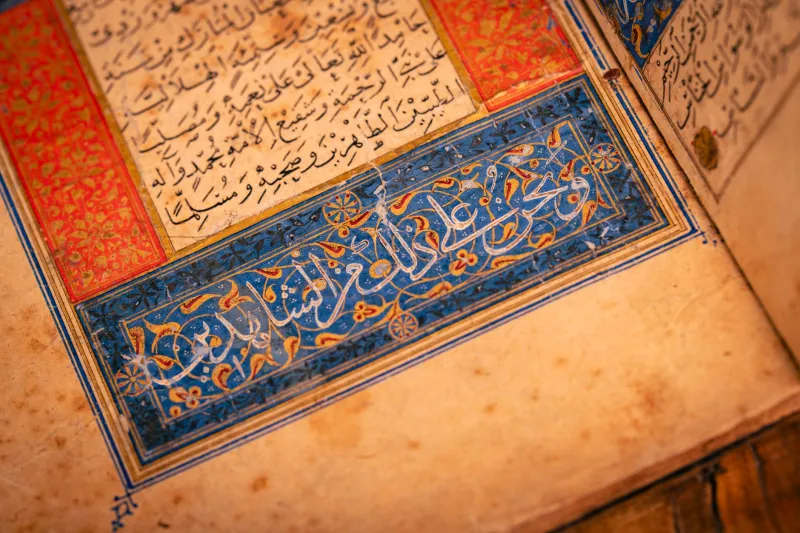
Photo by Photo by Harpreet Singh on Unsplash on Unsplash
Walk into any high-end department store in New York, Los Angeles, or Chicago right now, and you'll notice something different in the fragrance aisle. Nestled between the classic French houses and the celebrity-backed body sprays, there's a growing section of dark amber bottles, ornate caps, and names that read like poetry in Arabic script. Oud. Musk al-Tahara. Bakhoor. Rose Taif. Words that, not so long ago, most American shoppers would've needed Google Translate for — now moving units faster than stores can restock them.
Middle Eastern fragrance has officially arrived in the American luxury market, and it's not tiptoeing in. It's kicking down the door in a cloud of smoky, resinous, unapologetically bold sillage.
What Even Is Oud, and Why Is Everyone Losing Their Mind Over It?
For anyone new to the conversation: oud (also spelled aoud or agarwood) is a resinous wood produced when the Aquilaria tree becomes infected with a specific mold. The tree responds by generating a dense, aromatic resin — and when that wood is distilled into oil or burned as incense, the result is one of the most complex, expensive, and downright intoxicating scents on earth. Pure oud oil can run anywhere from a few hundred dollars per tola (about 12ml) to several thousand for rare aged varieties. It's been a cornerstone of perfumery across the Arabian Peninsula, South Asia, and East Africa for centuries.
But here's the thing: America is only just now catching up.
"For a long time, Western fragrance houses kept oud at arm's length," says Layla Mansouri, a Lebanese-American perfumer based in Brooklyn who runs her own indie house, Bint Al Ward. "They'd do a watered-down 'oud accord' — synthetic, light, not threatening. What's happening now is that people want the real thing. They want the depth, the complexity, the story."
And they're willing to pay for it. Market research firm Euromonitor has tracked consistent double-digit growth in the Middle Eastern-inspired fragrance segment across North American retail over the past three years. Brands like Amouage, Swiss Arabian, Abdul Samad Al Qurashi, and Rasasi — household names in the Gulf for decades — are now stocked at Neiman Marcus, Nordstrom, and dedicated boutiques in cities with significant Arab and South Asian diaspora populations.
TikTok Made It Famous, But the Roots Go Way Deeper
If you've spent any time on #PerfumeTok, you already know the vibe. Creators crack open ornate bottles, dab oil onto wrists, wait for the dry-down, and deliver verdicts with the gravitas of wine sommeliers. The community is obsessive, knowledgeable, and — increasingly — obsessed with Middle Eastern houses.
@OudAddict (real name: Karim Haddad, 24, from Dearborn, Michigan) has over 340,000 followers on TikTok built almost entirely around reviewing Arabian and Gulf-style fragrances. "My grandma used to burn bakhoor every Friday before Jumu'ah," he told us over a video call, his shelf of ornate flacons visible behind him. "For me, reviewing these fragrances is literally reconnecting with something I grew up with. But the response I get from people who have zero Arab background — it surprises me every time. They're just as obsessed."
That crossover appeal is key to understanding the trend's momentum. It's not just diaspora communities reclaiming cultural touchstones (though that's a huge and important part of it). It's also mainstream American consumers — particularly Gen Z — actively seeking out alternatives to the clean, minimalist, everything-smells-like-a-linen-closet aesthetic that dominated the 2010s. Oud is the antithesis of that. It's loud. It's layered. It lasts twelve hours and announces your presence before you walk into a room.
Second-Gen Arabs Are Turning Scent Into Identity
For many Arab Americans in their 20s and 30s, fragrance is doing something more nuanced than just smelling good — it's functioning as a cultural marker, a conversation starter, and sometimes a quiet act of resistance.
Nadia Al-Rashid, 29, grew up in a Syrian-American household in suburban Houston. She remembers being embarrassed as a teenager when her mom's oud oil would cling to her school clothes. "I used to think it was too much. Too ethnic. Too 'other,'" she says. "Now I wear it deliberately. I layer it. I talk about it. It's become one of the ways I tell people who I am without having to explain my whole family history."
This reclamation narrative is showing up across social media, in indie perfume communities, and even in academic cultural studies circles. Scent, it turns out, is one of the most potent carriers of memory and identity — and for a generation of Arab Americans navigating hyphenated identities in a complicated political landscape, choosing to smell like their grandparents' living rooms is anything but trivial.
Big Beauty Is Scrambling to Keep Up
The mainstream beauty industry, never one to miss a trend, is moving fast. Jo Malone launched an Oud & Bergamot flanker. Tom Ford's Oud Wood remains one of the house's best sellers. Glossier, reportedly, has been quietly researching Middle Eastern fragrance traditions for an upcoming line. And a wave of venture-backed indie brands — founded by both Arab Americans and non-Arab entrepreneurs — are flooding the market with "oud-inspired" offerings at every price point.
Not everyone in the traditional fragrance community is thrilled about this. "There's a difference between appreciation and appropriation, and the line gets blurry fast," Mansouri says carefully. "When a brand uses the word 'oud' on a product that contains zero actual oud and zero cultural research, that's a problem. It flattens something really rich into a marketing buzzword."
It's a tension the industry hasn't fully resolved. But for now, the conversation itself — about authenticity, origins, and who gets to tell these olfactory stories — is arguably making the American fragrance landscape more interesting than it's been in years.
The Bottom Line
Middle Eastern fragrance culture isn't a trend that's going to fade when the algorithm moves on. The heritage runs too deep, the community too passionate, and the product too genuinely extraordinary for that. What's happening right now in American perfumery is more like a long-overdue correction — a recognition that some of the world's most sophisticated scent traditions have been sitting right there, waiting for the rest of the country to pay attention.
As Karim Haddad puts it: "Oud has been luxury for a thousand years. America's just now getting the memo."