Manakish for Breakfast, Shawarma for Lunch: How Middle Eastern Street Food Took Over America
There's a moment that keeps getting described by food writers, restaurant owners, and regular people who just really love to eat — a moment when something clicks. You bite into a properly made manakish, still warm from the stone oven, the za'atar oil soaking into the dough just enough, and something in your brain recalibrates. You think: where has this been my whole life? Why am I only finding this now?
That moment is happening to a lot of Americans right now. And the people who've been making this food for decades — in small bakeries in Dearborn, in family-run spots in Bay Ridge, in late-night shawarma joints near university campuses — are watching with a mixture of satisfaction and mild amusement as the rest of the country finally catches on.
It Was Never Hidden
Let's be honest about something upfront: Middle Eastern food has been in America for a long time. Lebanese, Syrian, Egyptian, and Yemeni immigrant communities built restaurants and bakeries across this country generations ago. The food was always there. What's changed is who's finding it — and how.
The shift is partly demographic. Younger Americans, particularly millennials and Gen Z, have grown up with more exposure to global flavors than any previous generation. They've traveled more, ordered more, watched more food content online. Their baseline for "adventurous eating" has moved significantly. What felt exotic to their parents feels like Tuesday to them.
But it's also about visibility. And that's where TikTok enters the picture.
TikTok Did Something Real Here
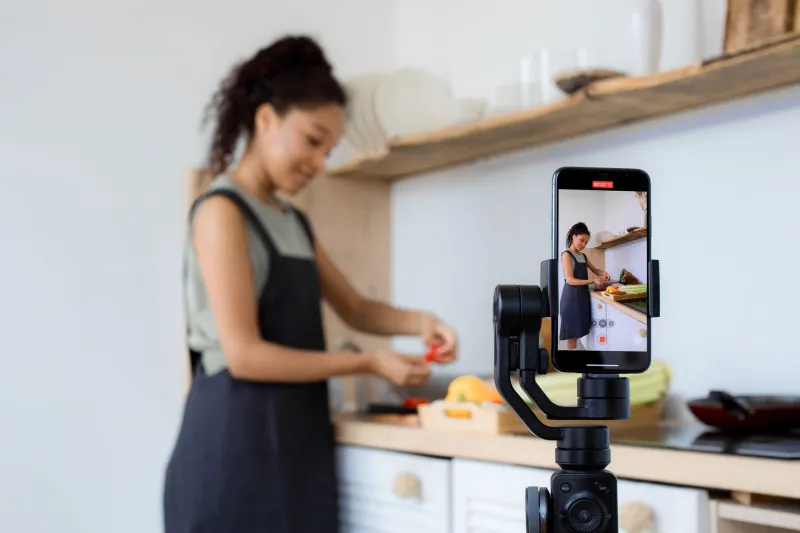
Food content on TikTok has a particular power: it makes you hungry in a way that reading a review simply doesn't. When a creator films themselves pulling apart a perfect shawarma wrap — the meat glistening, the toum (that addictive garlic sauce) white and fluffy, the pickles providing that essential tang — and it gets four million views, that creates demand. Real, immediate, show-up-at-the-restaurant demand.
Creators from Arab-American backgrounds have been especially effective at this, partly because they can speak to the food with genuine authority and affection. They're not performing discovery — they're sharing something they grew up with. That authenticity reads on camera. When someone explains why the bread matters, why the spice blend is specific to a particular region, why their teta's version is different from the restaurant version, viewers feel like they're getting actual knowledge, not just content.
Instagram has played a role too, particularly for the more photogenic items. Knafeh — that extraordinary cheese-and-pastry dessert soaked in rose water syrup — has become genuinely viral on the platform. Food halls and pop-ups in cities like New York, LA, Chicago, and Houston are now regularly featuring it, often with lines out the door.
The Entrepreneurs Behind the Expansion
The restaurants and food businesses driving this moment are mostly not corporate operations. They're immigrant entrepreneurs and their American-raised kids who decided that what their families cooked deserved a bigger stage.
Take the wave of Lebanese bakeries that have opened in major American cities over the past five years, many of them explicitly positioning themselves around manakish — the flatbread topped with za'atar, cheese, or meat that is essentially Lebanon's answer to breakfast pizza. Owners describe a consistent pattern: they opened for their community, and then one day the lines started including people who'd seen them on TikTok or found them through a food blog, and everything changed.
Similar stories are playing out with Egyptian koshari spots, Palestinian musakhan pop-ups, and Yemeni-style honey-and-bread dessert cafes. These aren't fusion concepts trying to make Middle Eastern food palatable to American tastes by softening it. They're the real thing, betting that American tastes have grown enough to meet them.
So far, that bet is paying off.
Falafel Grew Up (And Shawarma Was Always Ready)
Falafel has had the longest American journey. It's been in the US for decades, often in mediocre form — dry, bland, served in a pita pocket more out of obligation than love. But a new generation of spots is treating it with the seriousness it deserves: freshly ground chickpeas (or fava beans, in the Egyptian style), fried to order, served with tahini that actually has flavor, pickled vegetables that have been properly fermented.
The difference between that and what most Americans encountered in the nineties is significant enough that some people don't even recognize it as the same food.
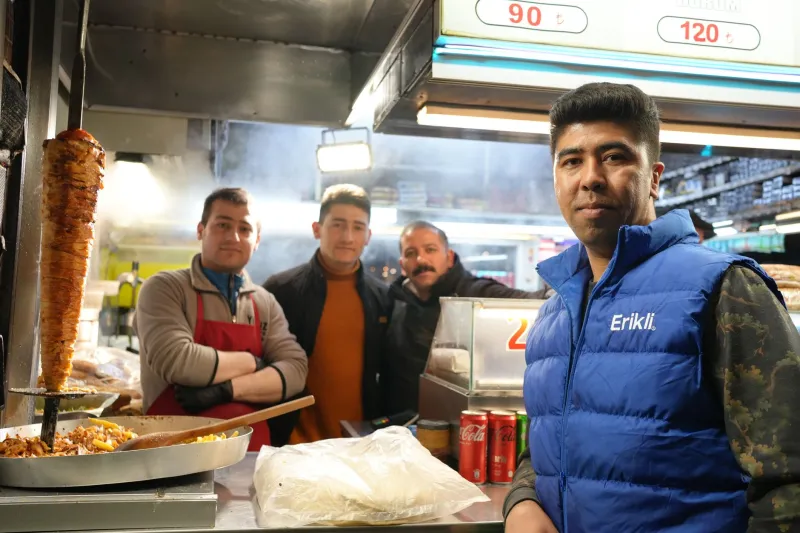
Shawarma, meanwhile, has graduated from "thing you eat at 2 a.m. after a concert" to something people actively plan meals around. The vertical rotisserie has become a feature rather than a background detail — restaurants are putting it in the window, making it part of the experience. Chicken shawarma bowls have become a legitimate meal-prep staple for American fitness communities, which is a cultural crossover nobody fully predicted.
What Gets Lost (And What Shouldn't)
With mainstream adoption comes the inevitable tension. When a food becomes trendy, it often gets simplified, rebranded, or stripped of context in ways that can feel like a loss to the communities it came from. Za'atar gets sold at Whole Foods without any mention of its Levantine roots. "Mediterranean" becomes a catch-all that flattens enormous regional diversity into a single beige aesthetic.
Restaurateurs navigating this are making deliberate choices. Many are doubling down on specificity — not just "Middle Eastern food" but Lebanese food, Palestinian food, Yemeni food — because the differences matter and because those distinctions are part of what makes the cuisine interesting. The more specific you are, the more you resist the flattening.
For the communities that built this food culture in America over generations, the current moment is genuinely bittersweet in places. There's pride in watching something you love get recognized. There's also the quiet knowledge that you were here all along, long before the algorithm arrived.
But the food? The food is thriving. And honestly, it was always this good.